Troutbitten recently offered an honest take on an old issue: fly fishing has suffered under the weight of its own elitism for far too long. That baggage touches nearly every corner of how people approach the water—from tackle choices down to internal debates over flies and tactics.
As Domenick put it: "How is fly fishing any better than fishing with gear? It's just not... So fish what you like, and if you don't like how somebody else does, I'd say keep it to yourself."
He also pointed out how arbitrary the boundaries become once anglers start picking sides: "That elitism—that 'I'm better than you because I have a fly rod in my hand' crap—has sadly carried over and infested every microcosm of the sport... It's ridiculous, because we're all just anglers."
I’d take that a step further: species carries the exact same baggage. You see the same tribal camps, some way too passionate for me, that form around warmwater bass and panfish, stocked rainbows, wild browns, or wild brook trout—often with some groups even claiming their pursuit is somehow purer, tougher, or more legitimate than the next. At the end of the day, it's just fishing. Go have fun.
𝗩𝗜𝗦𝗜𝗧 𝗧𝗛𝗘 𝗧𝗥𝗢𝗨𝗧𝗕𝗜𝗧𝗧𝗘𝗡 𝗪𝗘𝗕𝗦𝗜𝗧𝗘
1500+ articles about fly fishing for wild trout in wild places. https://troutbitten.com/
A new stream mapping app has been just released by Gogal Publishing designed to help outdoor enthusiasts better enjoy our regional waterways. Streams Map USA for iPhone and iPad are apps that provide a complete set of regional maps to locate, evaluate conditions, navigate and manage thousands of different streams.
The first release of the Northeast Region covers all of Pennsylvania, New Jersey, New York and the rest of New England. I had chance to use Streams Map USA and kick it around with a few places that I like to fly fish.
I found the screen easy to view, due to a new idea that Gogal Publishing is using in varying stream colors, instead of just the singular blue line that we always get on every map. A clever idea to help differentiate the main stream and its tributaries I liked the multiple choices of base maps, which included: Road, Satellite, Hybrid, USGS Topo, and OpenStreetMap.
I was quickly able to search for some known streams. The app is very detailed with results based on state or county level. When searching for Muddy Creek, I soon learned there were over a half dozen Muddy Creeks and branches located in Pennsylvania. Who knew?
Personal waypoint locations can be created, named and stored. The use of my iPhone’s built-in GPS identified my current location and provided an indication of miles to either the waypoints or streams. For example, this also can be used to mark the location of your car before heading out for long day fishing on the water or a canoe trip.
Too often I am in an area where there is either no or poor cell coverage. What I liked best was the “browse and store” functionality for offline...
The PFBC will be implementing a new stocked trout program in 2016. We believe that this program will provide exciting new angling opportunities to anglers across Pennsylvania.
In this program, approximately 10 percent of the larger 2- to 3-year-old-trout in the PFBC hatchery system that are stocked each year will be allocated to eight waters currently managed under Delayed Harvest Artificial Lures Only regulations. These fish, which will measure from 14” to more than 20” in length, will be stocked at a rate of up to 250 trout per mile, which is comparable to the numbers of fish of this size in Pennsylvania’s best wild trout waters. By contrast, the current stocking rate for 2- to 3-year-old-trout statewide in the catchable trout program is about 5-10 per mile.
The eight streams will be distributed broadly across the state so that at least one water is located within a reasonable distance of all of Pennsylvania’s anglers.
Currently this program is unnamed, and we are seeking the public’s help in naming the program. There are a number of names that have been considered by staff, but you may have other better ideas. We ask that you either vote for one of the names below, or write in a name that you would like to propose.
PFBC staff will review all of the proposals and a name will be selected prior to the next Commission meeting on September 28 and 29, 2015. Both the program name and the names of the selected waters will be released at the September meeting. We look forward to hearing from you.
Please select one of the program names below or write in another name that you would recommend. The voting/nomination process will close on September 4, 2015.
Names include:
Premium Stocked Trout Program
Trophy Stocked Trout Program
Lunker Stocked Trout Program
Blue Ribbon Stocked Trout Program
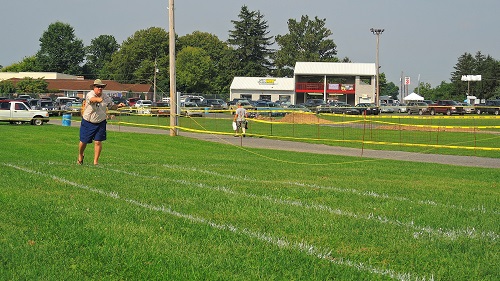
The Cumberland Valley Chapter of Trout Unlimited will be hosting its Annual Mid Atlantic Fly Casting Championships on June 20th, 2015 at Allenberry Resort in Boiling Springs, PA. The competition will be conducted in conjunction with The Pennsylvania Fly Fishing Museum 13th Annual Heritage Day Celebration. The Heritage Day event is a full day of celebrating the fly fishing heritage in Pennsylvania with over 60 vendors and exhibitors, hands on demonstrations, special seminars, instruction, raffles, auctions and the always popular Fish Swim Race on the Yellow Breeches for a chance to win $500! More information on Heritage Day is available on the Museum website: www.paflyfishing.org.
One of the nice things about fly fishing is that it usually isn’t a “crack of dawn” affair. Most hatches happen in the afternoon or evening. You can usually sleep in a little without worrying about missing the best fishing of the day. Fly fishing for hickory shad may be an exception. I usually try to get an early start when they are running.
The guys gathered at the appointed time and we made the trip south to Maryland hoping to catch the first surge of these anadromous fish on their journey up Deer Creek to spawn. We crossed the Maryland border, and then Conowingo Dam, right on schedule and pulled into the parking lot with five minutes to spare. The liquor store was just about to open.
Jim knew the drill, but Bob was new to the shad game and raised an eyebrow. He said he had a few beers with him, enough for all three of us, and that there really was no need to stop. I told him we weren’t there to buy beer. That raised his other eyebrow.
There were three other cars in the lot, all waiting like us. We had a couple of laughs speculating what they might be there for at 8:00 am on a Sunday morning. Two young men in their twenties were anxious to get into the store and tried the door – locked. They peered in the window, looking for signs of movement but gave up and went back to their car. At 8:01 the door opened and we all filed in. One gentleman went right up to the counter to buy lottery tickets. The young men asked the clerk about fishing licenses - the store was also a Maryland fishing license agent. We headed right for the register with the mini bottles of spirits, and a stack of Plano boxes piled high. We were there to buy shad darts.
Shad darts are wedge-shaped jig heads with a sparse bunch of calf tail or similar fur as a tail. The lead heads are painted bright colors. They are a...
This past January the Pennsylvania Fish and Boat Commission (PFBC) proposed significant rulemaking changes to the current Delayed Harvest Artificial Lures Only (DHALO) waters. The proposal is to change several factors within the regulation to:
• Include bait for harvest period.
• Allow children to use bait year round.
• Lower the min size limit for harvest to 7" from 9"
• Moving the harvest period up a few weeks to the Saturday before Memorial day.
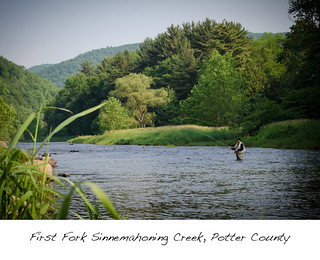
In a recent poll on Paflyfish, 89% of anglers do not approve of these changes. The proposed rulemaking changes remove angling opportunities for some the most passionate and dedicated citizens who enjoy the sport in the Commonwealth. Over 50 streams are in the DHALO program and include: West Valley Creek, Oil Creek, Neshannock Creek, Black Moshannon Creek, First Fork Sinnemahoning Creek, Pine Creek, Quittapahilla Creek, Laurel Hill Creek and Tulpehocken Creek.
We clearly need to continue to let our voices be heard. The official comment period is from March 14 through May 13, 2015. Contact them today. Please let the PFBC know you are opposed to the changes with a written letter or comment onlinehere.
Letters: PFBC Executive Director John Arway, Pennsylvania Fish and Boat Commission, P.O. Box 67000, Harrisburg, PA 17106-7000.
The Pennsylvania Fish and Boat Commission (PFBC) is currently seeking Comments for the consideration of a proposal to add 45 streams to the list of streams with Natural Reproduction of Trout. These streams were surveyed and found to have at least two year classes of wild trout. Should the proposal be adopted the additions would be added to the PA Bulletin and subsequently receive protection from encroachment by the Department of Environmental Protection (DEP) through permit restrictions during the fall spawning period.
The comment period ends Monday March 30, 2015. So don't delay.
Please take a few minutes to share a comment by clicking the link.
To view the entire PDF proposal click the link here.
Part of the lore of fly fishing in Pennsylvania, and the Cumberland Valley in particular, revolves around stories of big fish, usually giant brown trout. Of course this comes as no surprise to fishermen, nevertheless stories of great fish, caught and got away, serve to set the stage for what might happen every time we visit Letort or some other famous stream. Among these famous fish stories, perhaps the best known is the story of “Old George” as recounted by famed Cumberland Valley fly fisher and fly tying innovator Ed Shenk (think “Letort Cricket” and other patterns). “Old George” was the name Ed gave to a very large trout he pursued for over a year in the upper Letort in the early 1960s. The fish dwarfed other browns in the same pool that were themselves over twenty inches. Ed carefully observed this particular fish and patterned its daily comings and goings (not surprisingly, Old George came out in the evening and returned to cover early in the morning) and described the great fish as being very light colored. He saw, hooked, and lost the fish multiple times. Finally, he caught the brown on a streamer fly in 1964. Old George taped just over 27 inches and weighed eight pounds. In a final twist in the story,
Old George turned out to be a female. The story of Old George went on to become part of the lore of Pennsylvania fly fishing. Ed recounts the full story of Old George in the final chapter of his book Fly Rod Trouting.
On occasion, I’ll paint portraits of specific fish caught by anglers and using an old faded color photo and Ed’s description of the fish, it was my pleasure to paint a life sized image of Old George. This painting was presented recently as a gift to Ed at the 2015 Limestoner banquet held...
Great video sharing some of the aquatic insects available to trout during the early season in Pennsylvania and the Northeast region. A bonus for you new getting started and expanding your fly tying with some samples of the aquatic insects.
This past January the Pennsylvania Fish and Boat Commission (PFBC) proposed significant rulemaking changes to the current Delayed Harvest Artificial Lures Only (DHALO) waters. The changes provide conditions for anglers to use bait and moved harvest period up to three weeks. More details
In a recent poll on Paflyfish, 89% of anglers do not approve of these changes.
The PA Council of Trout Unlimited’s Position Statement offers similar sentiment on the issue:
"We believe that the old saying, “if it ain’t broke, don’t fix it,” is applicable to what the Commission is proposing here. DHALO areas are most assuredly utilized by more than 2.2% of the licensed trout anglers in Pennsylvania, and therefore that same small percentage of our stocked trout waters needs to be preserved in their present form for those anglers who savor the opportunity to use lures or flies in an environment that sets them apart from bait fisherman.
While we strongly believe in encouraging more youth to become engaged in the sport of fishing, we don’t see this proposal as a means to engage our youth in learning about sound conservation measures in general, and more specifically about trout and the environment in which they live."
The proposed rulemaking changes remove angling opportunities for some the most passionate and dedicated citizens who enjoy the sport in the Commonwealth. Over 50 streams are in the DHALO program and include: West Valley Creek, Oil Creek, Neshannock Creek, Black Moshannon Creek, First Fork Sinnemahoning Creek, Pine Creek, Quittapahilla Creek, Laurel Hill Creek and Tulpehocken Creek.
If these changes are passed, fundamentally the PFBC will be removing the DHALO projects as we know them today. Your voice is very important...
The Pennsylvania Board of Fish and Boat (PFBC) Commissioners proposed major changes to the existing delayed-harvest-artificial-lures-only (DHALO) stream sections when they met on January 21-22. Anglers who enjoy the special regulation waters will find trout harvested earlier and be sharing these streams with some who will be able to fish live bait year round if these changes go through January 1, 2016.
The current regulations for DHALO waters provide year-round trout fishing opportunities using only flies and artificial lures such as spinners. No bait is allowed. Anglers may harvest fish between June 15 and Labor Day with a limit of three fish a day greater than 9". Less than 96 miles of water and 55 streams make up the DHALO regulations that include stream sections on West Valley Creek, Oil Creek, Neshannock Creek, Black Moshannon Creek, First Fork Sinnemahoning Creek, Pine Creek, Quittapahilla Creek, Laurel Hill Creek and Tulpehocken Creek.
The newly proposed rule changes by board members take the special regulation program in a very different direction. Changes for the DHALO move up the start of the delayed harvest period three weeks to the Saturday before Memorial Day. The daily limit would be set to three fish greater than 7". Bait fishing would be permitted during the new harvest period for all anglers. Finally, anglers 16 and younger would be able to fish with bait year-round.
The PFBC hopes to provide more opportunities for anglers and enhance the fishing experience with these changes. “By expanding the harvest period and allowing the use of bait, we can increase angler success while improving the use of the trout before they are lost to natural mortality in the warmer summer months,” said PFBC Executive Director John Arway.
Pennsylvania contains over 85,000 miles of streams and rivers. The PFBC and...
While at the Fly Fishing Show in Somerset I met up with site member Kevin "Fisherboy3" Craig when he was over at Ben Turpin's booth. After catching up a little Kevin and Ben, they shared with me a recent endeavor that Ben started helping anglers learn how to improve their fly tying skills.
Ben is an accomplished guide and rod builder covering much of New Jersey, Central and Eastern Pennsylvania. He shares a lot of experience and knowledge bringing this fly tying website together.
The Whip Finish Industries website provides an opportunity for fly fishing anglers to learn through his step by step videos on how to tie some of the most important flies for the region. The videos on the site cover dozens of different types caddis, sculpins, nymphs, stone flies, scuds, midges, mayflies and other patterns.
There are plenty of free lessons and tips demonstrated by Ben for anyone to check out and get started. Ben provides a members only section with some more of the advanced flies for only $10.00 a month. Every month new patterns are added.
What really sets the site apart for many is the option to get the correct supplies like hooks and materials that are used in the video directly from the site. So whatever pattern Ben is tying in the video you can get those identical products. Also available is all the tying tools to get you started.
If you have been thinking about starting into fly tying or just looking to advance you skills check, out the Whip Finish Industries website or YouTube Channel.
Every year in June along the Yellow Breeches 32 young men and women get an outstanding opportunity to become better educated on the importance of cold water conservation. For those not familiar with Rivers Conservation and Fly Fishing Youth Camp it is wonderful program supported by many expert volunteers from the fly fishing community.
A good portion of the time during camp students spend time in a classroom setting. Classes include studies of entomology, wetlands, ecology, hydrogeology, aquatic invertebrates, hydrology, watersheds, the biology of pollution, trout behavior and stream restoration. There are many sessions that take place on the stream or outside during the week.
The instructors in the program often include leading experts including many from state agencies like the PFBC, DEP and DCNR. The Pennsylvania Council of Trout Unlimited sponsors the program with help from the Cumberland Valley TU.
Every morning and evening the participants are given the opportunity to fly fish the catch and release section of Yellow Breeches where they stay for the week. June on the Yellow Breeches is an excellent time to be fishing. Lessons in casting, knot tying, fly tying and more are also part of the curriculum.
This year the program will run from June 21-26, 2015. The cost of the program for youths between the ages of 14-17 is $350. There are different ways that financial support is provided and there are several openings still available. The deadline for the early acceptance period is March 31, 2015.
Truly an exciting opportunity to learn more about conservation and enjoy fly fishing as well. To find out more please go to the website here where they also provide applications.