Bald Eagle Creek restoration

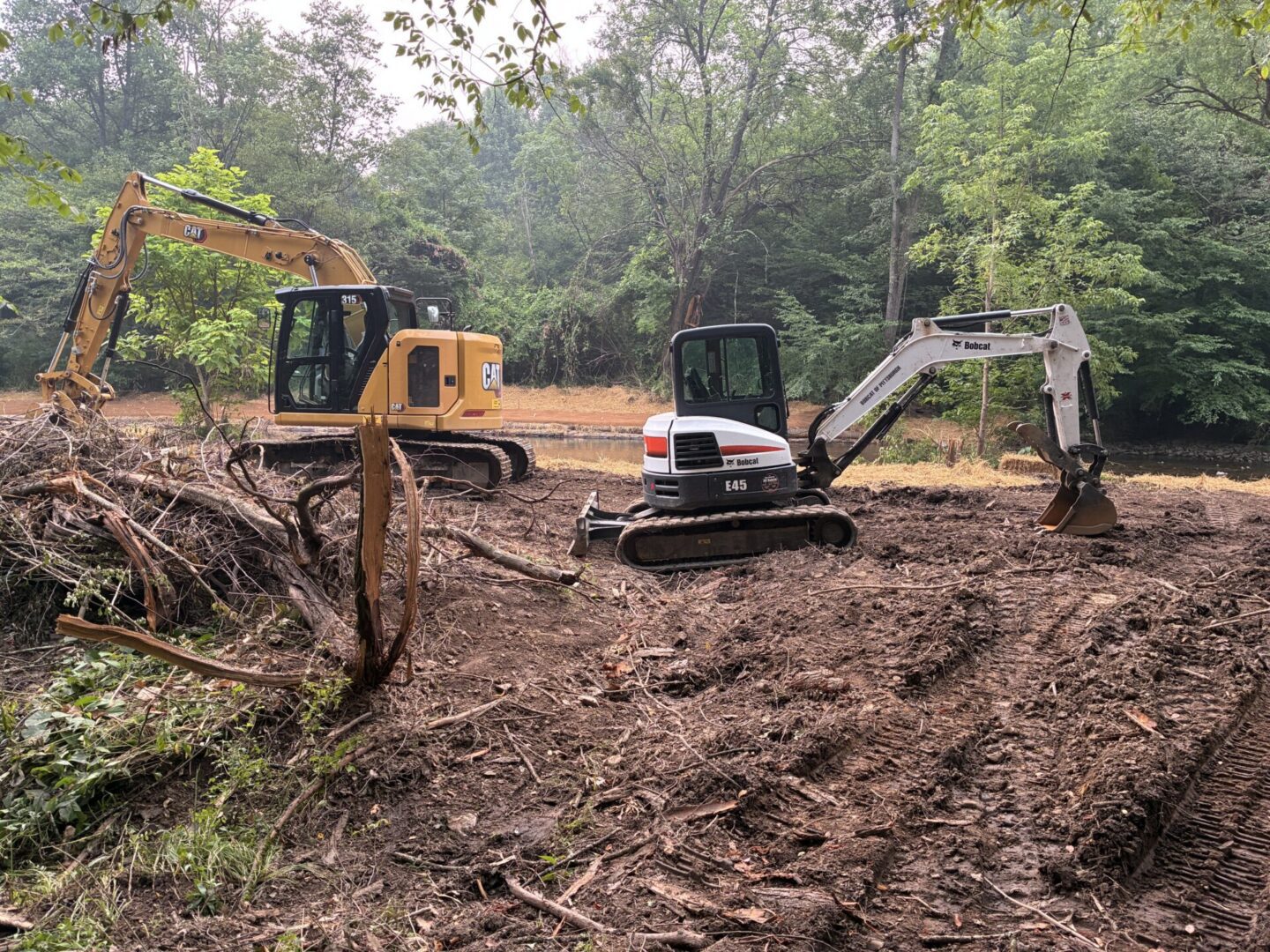
I have to admit. The before picture, while it contributed to erosion, had much better habitat. At least to my untrained eye
Most of the time when I see habitat improvement projects like this on streams I just keep walking. I get the purpose, but don't usually find the fishing great unless it was filled up with stockers.
 
Seems like a lot of money spent on self-inflicted problems. How good is Bald Eagle? Has it really gone downhill? Did "decades" of intensive agriculture suddenly take it's toll? Or was it the new development? Have we noticed improvements on similar projects?
 
Aren’t braided channels a good thing? I remember this stretch taking the a van from Penn State to Altoona in one of my student teaching experiences and noticed it seemed similar to many Lancaster County streams. Creating a single channel seems old school. It just seems like it will speed up velocity and result in more flooding downstream. Is there legacy sediment there that firming up the streambanks will prevent from eroding? How does this help groundwater recharge? What kind of development is upstream and what are developers doing on site to prevent degradation of Bald Eagle Creek?
Removal of invasives is great! Is there a plan to reestablish natives and manage future invasives?
 
Last edited:
Aren’t braided channels a good thing? I remember this stretch taking the a van from Penn State to Altoona in one of my student teaching experiences and noticed it seemed similar to many Lancaster County streams. Creating a single channel seems old school. It just seems like it will speed up velocity and result in more flooding downstream. Is there legacy sediment there that firming up the streambanks will prevent from eroding? How does this help groundwater recharge? What kind of development is upstream and what are developers doing on site to prevent degradation of Bald

Good points and questions.
 
This project kind of puzzles me from a utility standpoint.. In one of the PFBC online maps that have come and gone over the years, the Bald Eagle was listed as transitional smallmouth water at least from the Spring Creek junction up as far as Hannah, even though I realize it is all also stocked trout water. I'm not sure that the bang for the restoration buck is there with this project, if the intent is habitat improvement for trout.
 
Not being native to the area, is this up or down stream from the confluence with Spring Creek? Will this project improve water temps on Bald Eagle?
 
We hunted and fished the Hannah's church area outside Port Matilda for a long time prior to I99 being built. The stream although small contained a heathy population of stream bred brown trout, pickerel ( one pickerel per wooly bugger) and some respectable small mouths. The deer, grouse, woodcock hunting was very good. I 99 changed everything , with the Bald Eagle impacted by the exit ramp construction below Port Matilda
 
We hunted and fished the Hannah's church area outside Port Matilda for a long time prior to I99 being built. The stream although small contained a heathy population of stream bred brown trout, pickerel ( one pickerel per wooly bugger) and some respectable small mouths. The deer, grouse, woodcock hunting was very good. I 99 changed everything , with the Bald Eagle impacted by the exit ramp construction below Port Matilda
If I recall the road construction crews hit pyrite resulting in acid drainage into the creek.
 
I'm not sure why I bother to post articles like this. The collection of experts here have nothing about negative comments about stream projects. I think some of you all need to understand that stream restoration is not about creating holes for you to fish. Most are funded with the goal of stabilizing banks to reduce sediment and narrow channels to reduce warming. The applications add sections about habitat, but it's the sediment reduction that gets the $$ and interest. The granting agencies don't focus on creating fishing opportunities, although stream designers do so when they can.
 
I'm not sure why I bother to post articles like this. The collection of experts here have nothing about negative comments about stream projects. I think some of you all need to understand that stream restoration is not about creating holes for you to fish. Most are funded with the goal of stabilizing banks to reduce sediment and narrow channels to reduce warming. The applications add sections about habitat, but it's the sediment reduction that gets the $$ and interest. The granting agencies don't focus on creating fishing opportunities, although stream designers do so when they can.
I appreciate the post. My comment wasn't meant to be negative for the record, just an observation. I am grateful people put this work in to keep our water healthy.
 
I'm not sure why I bother to post articles like this. The collection of experts here have nothing about negative comments about stream projects. I think some of you all need to understand that stream restoration is not about creating holes for you to fish. Most are funded with the goal of stabilizing banks to reduce sediment and narrow channels to reduce warming. The applications add sections about habitat, but it's the sediment reduction that gets the $$ and interest. The granting agencies don't focus on creating fishing opportunities, although stream designers do so when they can.

I think posting the article has led to a healthy discussion about the physical aspects of streams.

Some good points and questions have been posted.

Does anyone know how they calculate the avoided eroded sediment numbers?
 
Last edited:
I'm not sure why I bother to post articles like this. The collection of experts here have nothing about negative comments about stream projects. I think some of you all need to understand that stream restoration is not about creating holes for you to fish. Most are funded with the goal of stabilizing banks to reduce sediment and narrow channels to reduce warming. The applications add sections about habitat, but it's the sediment reduction that gets the $$ and interest. The granting agencies don't focus on creating fishing opportunities, although stream designers do so when they can.
The structures shown in streams of this size and with Bald Eagle’s base flow at that location do not create much adult trout habitat, which is fine when the primary purposes are erosion/sedimentation reduction as well as the attendant nutrient inflow reduction. I've even seen these relatively low cross veins of the type shown in the pic produce filling of the long, shallow pool on the upstream side by blocking stormwater transported gravel from continuing downstream. The higher the stormwater flows and the greater the upstream bank erosion/gravel transport, the quicker they fill in. Fortunately the project has an upstream project that was completed previously, so that should reduce or eliminate the problem that I have described.
 
Back
Top