Flyfishing for panfish is a lot of fun. And there is a lot of that available in the more populated parts of PA.I’d just be happy to get out and fish - stocked trout /wild trout/panfish/bass - with all the changes and degradation of our once productive streams I’m leaning into panfish on light tackle more and more -

You are using an out of date browser. It may not display this or other websites correctly.
You should upgrade or use an alternative browser.
You should upgrade or use an alternative browser.
Central PA Troubles Tully was 65 degrees at 3pm
- Thread starter mtelesha
- Start date

I couldn't agree more; a 4 weight fly rod and bluegills or redbreasts is a helluva good time.Flyfishing for panfish is a lot of fun. And there is a lot of that available in the more populated parts of PA.

JG63
Well-known member
- Joined
- Mar 7, 2013
- Messages
- 1,474
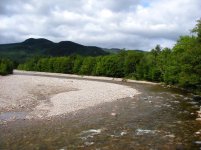
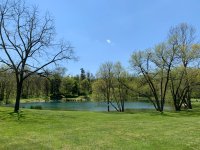
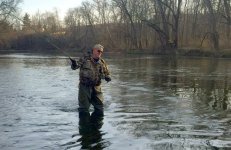
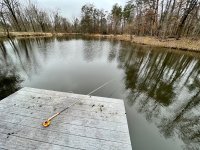
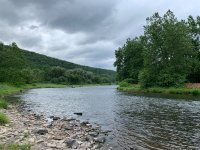
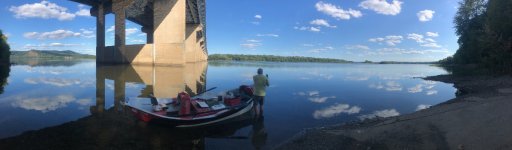
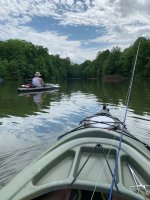
Agreed - and I don’t feel I’m depleting the resource if I take a few home (if the lake/stream water is ok) - and fresh bluegill/crappie/perch rolled in cracker crumbs fried in butter tastes way better than any stocked or wild trout IMHO - I love trout fishing, I’ve fished many different areas of the US for them for the last 50 odd years - I have hundreds of great memories from streams like the Arkansas, South Platte, Blue, Tarryall, North Platte, Shoshone, Yellowstone, Slough, Wildcat, Saco, Penns, Elk, 19 Mile, Conneaut, Letort, Big Spring, Falling Springs, 3 or 4 different Laurel Run(s), Clover, Yellow, Cedar, Delaware, and yes, even blizzard Trico hatches for stream bred football Rainbows on the Tulpehocken - and for all my time on the water, I am indeed grateful! - because of that rich angling fortune, I can be perfectly entertained with a farm pond full of hand sized Bluegills and Pumpkinseeds until my last castFlyfishing for panfish is a lot of fun. And there is a lot of that available in the more populated parts of PA.
Attachments
Nocktavius
Well-known member
This hits precisely on the reason why PA needs to stop weirdly propping up stocked fisheries. Wild warm water fish are more aggressive but still require angling skill that isn’t just mimicking whatever colored powerbait pellets they were dropping into the raceways that spring.Flyfishing for panfish is a lot of fun. And there is a lot of that available in the more populated parts of PA.
I’ve heard people on this site say stocked trout are more challenging but as far as I can tell that’s only because one has to suspend their good practices and essentially fish “wrong”.
I live in Chester county and have to drive across or past at least 4 self sustaining wild trout fisheries and I get to the Tully and probably another 100 to get to Pine.

tjsingle
Well-known member
I was going to say it might be the best tailwater in Berks County.Either way he’s wrong. He must’ve been smokin something pretty good to think that about the Tully.
It's not bashing the Tully, its calling it for what it is. It's a stocked trout fishery with some wild trout at two tribs. The WW fishery at the lower end peaks my interest. Yeah its bigger water, but its not great habitat. And I used the fish the Tully a ton. I went there when I first started fly fishing. I remember buying a new rod with a bonus from work and going to the Tully for the first time where I caught a nice stocked brownie. I have lots of good memories from there and have even caught wild browns there. The appeal for me fell off as I went on a wild trout tangent, and broadened my radius of travel/found better trout fishing in SEPA.
Wild brown from the Tully April 2019:
Last edited:

Nymph-wristed
Well-known member
The success of those early fingerling plantings put everyone on this board's favorite fly shop on the map 😉
I've fished the crick since the early 90s, and I remember the hatches and the quality stockers. I had some mentors teach me to be a competent dry fish fisherman on the creek around that time too. I go back one time a year for a nostalgia tour.
I have also caught many wild fish there over the years. I just more marvel at the distance folks travel to fish it, like it's a destination! If I lived 30 minutes away, I may fish it more than once a year, but it never felt like a trout stream to me, just a place to catch trout. And to the points above, you may drive over 10 creeks on the natural production list on your way there.
When I plan fishing trips, I always ask myself WWJTF? Where would Jun T fish? It's not the Tully 🙂
Like many popular spots, I am not mad that it draws so many fishermen to its banks when I am elsewhere.
I've fished the crick since the early 90s, and I remember the hatches and the quality stockers. I had some mentors teach me to be a competent dry fish fisherman on the creek around that time too. I go back one time a year for a nostalgia tour.
I have also caught many wild fish there over the years. I just more marvel at the distance folks travel to fish it, like it's a destination! If I lived 30 minutes away, I may fish it more than once a year, but it never felt like a trout stream to me, just a place to catch trout. And to the points above, you may drive over 10 creeks on the natural production list on your way there.
When I plan fishing trips, I always ask myself WWJTF? Where would Jun T fish? It's not the Tully 🙂
Like many popular spots, I am not mad that it draws so many fishermen to its banks when I am elsewhere.
Wait! You're telling me that there was a time when you weren't chucking mono rigs with heavily waited jig-nymphs? Is this Chris still alive? I've never seen a dry fly grace the end of your leader! 🤣I had some mentors teach me to be a competent dry fish fisherman on the creek around that time too.
That wasn’t my experience. I grew up fishing for channel cats, crappie, walleye, white suckers, bluegill, from ages 6-7 onward and eventually stocked trout starting at age 9 with night crawlers on a fly rod. When I first fished for wild trout I didn’t have difficulty catching them with my techniques, which essentially mimicked what fish would see in a stream or river…forage drifting toward them in the direction of the current whether it was in a back eddy with current going upstream or a main flow with current going downstream.. One doesn’t have to fish over wild trout in order to figure that basic step#1 out.I’ve heard people on this site say stocked trout are more challenging but as far as I can tell that’s only because one has to suspend their good practices and essentially fish “wrong”.
Last edited:

td566
Active member
Just watched the Jun T video above ( first time viewing his stuff). Does he ever wet his hands before grabbing a fish? 😕
No experience fishing the Tully, but that little section of stream he fished looked like nice water…..for smallmouth. Doesn’t look like what I picture as a “destination” location for trout. I will likely never visit it.
It reminds me a little bit of the Neshaminy Creek in lower Bucks from my youth. I don’t think I ever caught a trout in it, but plenty of panfish and some smallmouth back then. It had an unpleasant odor at times back then as well. I think it has always suffered from water quality issues.
No experience fishing the Tully, but that little section of stream he fished looked like nice water…..for smallmouth. Doesn’t look like what I picture as a “destination” location for trout. I will likely never visit it.
It reminds me a little bit of the Neshaminy Creek in lower Bucks from my youth. I don’t think I ever caught a trout in it, but plenty of panfish and some smallmouth back then. It had an unpleasant odor at times back then as well. I think it has always suffered from water quality issues.

rustbeltwilds
Well-known member
Jun t lol lol lol lol. LEGEND !!!!
Nymph-wristed
Well-known member
Touché. Is this Mark?
The question is, Will he be back? Someone told him it would be a tailwater and cold, and he caught bass not trouts. That was a May trip, too 😛
I am not defending Jun T, and I have never watched his videos, but I have caught plenty of smallies out of respectable trout waters while the waters are still cold, and while trout are the predominant species present, some nice smallies tend to exist in those waters, too.
This is also in no way defending the Tulpehocken. It is merely an observation.
This is also in no way defending the Tulpehocken. It is merely an observation.

The_Sasquatch
Well-known member
Is there a reason it can't just be managed for what it is? A great SMB fishery?
JG63
Well-known member
- Joined
- Mar 7, 2013
- Messages
- 1,474
Both feesh from Penns on the same day - Smallmouth on a big head wool streamer, Brown on a Hendrickson Comparadun - well above WeikertI am not defending Jun T, and I have never watched his videos, but I have caught plenty of smallies out of respectable trout waters while the waters are still cold, and while trout are the predominant species present, some nice smallies tend to exist in those waters, too.
This is also in no way defending the Tulpehocken. It is merely an observation.
Attachments
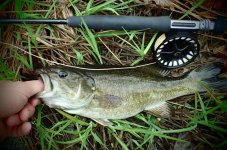
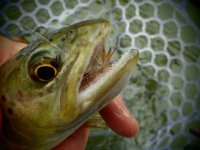
Nymph-wristed
Well-known member
I just want to go on record as saying that any post mentioning Jun T is meant in jest, and mostly for the enjoyment of @rustbeltwilds , and I am aware that smallmouth and trout are not mutually exclusive offerings. I stand by my other statements about the Tully, however, especially that I appreciate how many people besides me like to fish it (including Jun T, apparently) 😉 He should fish it all the time!
Ironically, I also don't watch Jun's videos because the fish handling and the spot burning triggered me too much when I did try to watch, and this is coming from someone who did the Dusty Rhoads thing with a net and pinched barbs more than once in my life.
Ironically, I also don't watch Jun's videos because the fish handling and the spot burning triggered me too much when I did try to watch, and this is coming from someone who did the Dusty Rhoads thing with a net and pinched barbs more than once in my life.
Somewhat centrally located in Berks Co right outside of the Reading city limits its cool water for an extended period into the summer, its 100% public riparian land, its access to major highways, and its width make it well-suited for the popular delayed harvest management program. Furthermore, the SMB population is marginal at best and was so at the time that the DH regs and direct trout stocking went into effect in the area shown in the video. The obvious decline was in redbreast sunfish where the limited suitable habitat occurred.Is there a reason it can't just be managed for what it is? A great SMB fishery?
As for fishery resource diversity in a high demand fishing county, this stocked trout fishery fits the bill, as it is located downstream from a good, and popular, Big Bass reg SMB population in Blue Marsh Rs and upstream from a moderate to good SMB population in the Berks portion of the Schuylkill R. If anglers desire SMB fishing, near-by, better fisheries are readily available. Likely now adding to the SMB opportunities in the area, however, the dam just upstream from the Tully’s mouth was removed last year and this will be the first full year that the stream may see an influx of SMB (and other migrants) from the Schuylkill into selected segments of decent SMB habitat in the Tully’s approximately lower 1.25 miles, starting about a half mile below the DH Area.
The establishment of the DH Area, the initial multi-year fine tuning of Blue Marsh Rs dam operations to provide the coolest water possible for the longest extended period into the summer, the removal of the dam at the mouth of the Cacoosing Ck, which then added cooler water to the lower half mile of the DH Area and expanded wild trout habitat in the Cacoosing plus adding connectivity for fish migrations, the multiple Tully habitat improvement activities by multiple organizations (PFBC/TU and others) and the aforementioned removal of the dam close to the mouth of the Tully, which also enhanced safety, were more than just chance occurrences; most were products of long-term planning.
Evaluation of the feasibility of a rock ramp fishway at Grings Mill Dam, located about a half mile below the DH Area would be the next step as would be adding more shade, where necessary, along the Cacoosing. Plantings would be follow-up to Cacoosing work that I understand has already been accomplished by the Berks County Conservation District. Lehigh Regular can correct me if I am wrong. And as somewhat of a rarity, a stable source of grant funding for habitat, plantings, etc work in the Tully and Quitty drainage basins has been available about every three years with the grants being issued by the PFBC.
Last edited:

LetortAngler
Member
Yep. The Letort isn’t what it once was, and pretending otherwise doesn’t help anyone. I tried raising the concerns on here 10+ years ago.Tully CFS was 50 and the temp was 65 at. The Covered Bridge.
Allenberry has stolen half the catch and release on Yellow Breeches.
Big Springs Development.
LeTort is still not what it use to be....
As they say, it’s more of a “pilgrimage” stream than a functional fishery. You go to see it, to remember what it represented, and to hope the wild population somehow rebuilds itself. But hope isn’t management.
What’s missing is real intentional effort.
There’s no meaningful discussion around supplemental fingerling stocking to stabilize numbers. No serious consideration of transferring wild fish from nearby systems (let’s say, lower BS) . And more importantly, very little emphasis on habitat work, sediment removal, flow restoration, and active stewardship, the same kind of practices that have sustained spring creeks in places like the Midwest and England for decades.
Instead, the Letort is often treated as something to preserve in its current state, rather than something to restore.

mtelesha
Member
- Joined
- May 30, 2020
- Messages
- 65
So you are mostly against the Tully and don't care about the water? Personally, I would be all for Zero Stocking of the river and just allow the wild fish to do what they can. Get the bottom gate working and the temps lowered. All catch and release, period.
With the attitude of pilling on all these streams as garbage will:
1) No one fighting to improve the river and the fish
2) Push people to already pressured wild fish streams
3) Comes across as snobs. Let people enjoy their fishing even if you are not into it.
With the attitude of pilling on all these streams as garbage will:
1) No one fighting to improve the river and the fish
2) Push people to already pressured wild fish streams
3) Comes across as snobs. Let people enjoy their fishing even if you are not into it.
Transplanting brown trout into the Letort is not going to help the Letort. There are brown trout in the system, and if it had the capacity, habitat, and requirements to host more fish, then they'd already be there.Yep. The Letort isn’t what it once was, and pretending otherwise doesn’t help anyone. I tried raising the concerns on here 10+ years ago.
As they say, it’s more of a “pilgrimage” stream than a functional fishery. You go to see it, to remember what it represented, and to hope the wild population somehow rebuilds itself. But hope isn’t management.
What’s missing is real intentional effort.
There’s no meaningful discussion around supplemental fingerling stocking to stabilize numbers. No serious consideration of transferring wild fish from nearby systems (let’s say, lower BS) . And more importantly, very little emphasis on habitat work, sediment removal, flow restoration, and active stewardship, the same kind of practices that have sustained spring creeks in places like the Midwest and England for decades.
Instead, the Letort is often treated as something to preserve in its current state, rather than something to restore.
I don't know the Letort, and I've never fished it, but the above is true for any stream. If the numbers of fish aren't there, it's for a reason, and bringing more fish in won't fix it.