Why are beadhead jig flies shown.....

Sylvaneous

Well-known member
Joined
Sep 11, 2006
Messages
1,137
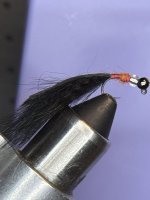
Why are beadhead jig flies shown and tied inverted from how they actually will ride in the water? If I had the ambition and a clear tank, a way to make the water flow or an underwater camera and an assistant to assist (?), I'd post video of bead head jig nymphs in the drift riding just exactly how you'd expect. (the more current and "stuff" out the back, like tails helps the fly sit more level in the drift. Otherwise, they point nose-up, very unnaturally) It just goes to show how LITTLE the features you put on a fly matter to the fish that eats it.
 
Why are beadhead jig flies shown and tied inverted from how they actually will ride in the water? If I had the ambition and a clear tank, a way to make the water flow or an underwater camera and an assistant to assist (?), I'd post video of bead head jig nymphs in the drift riding just exactly how you'd expect. (the more current and "stuff" out the back, like tails helps the fly sit more level in the drift. Otherwise, they point nose-up, very unnaturally) It just goes to show how LITTLE the features you put on a fly matter to the fish that eats it.

Shown where?

Regardless, I think all nymphs ride nose up unless they have some serious weight on the front, then they ride inverted regardless of hook style.
 
OK, so they all (or most all) invert. It doesn't change the fact that if you really think that you're "matching the hatch", that you ought to tie the top of the bug on the bottom (inside) of the hook bend. I tend to agree with Sylvaneous that the vast majority of the time the fish strike because the presentation was good or because something about the fly (color, profile, flash, etc.) drew their interest and not necessarily because they thought they were ingesting a mayfly, stonefly, caddis, cranefly, hellgramite or whatever.
 
Ill agree. I don't think trout are so smart that they can tell top from bottom of a fly. As long as the fly is right size, shape, color to a minor extent, and behaving ( drifting) in a natural manner, a fish will mistake it for food. If nymphs are tumbling on the bottom, both sides are visible to a trout.

How else does one explain the effectiveness of some of the flashy and gaudy flies out there?
Why are smaller flies usually more effective?
 
A dead drift "should" create more tumble. Good luck with that. 😉
 
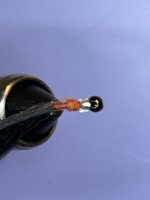
I like how the jig hook bend positions slotted beads. You can easily lock them down tight or leave them free to wiggle, like this one. I doubt the fish care, but I like it.
image.jpgimage.jpg
 
I’m sure I’m overthinking this, but, in any “predator/prey” relationship the predator always prefers the easy meal of weak or injured prey. Inverted nymph flies floating right at them probably look like an easy meal to the trout (as long as the flies are the right size, shape, etc.).

So, I agree with the OP and everyone. To me, beadhead jigs are fun to tie and they work.
 
Back
Top