Hello all. The topic of public access to the Lehigh River has been discussed here and at this point it's pretty clear that the water and the stream bed up to the high water mark is publicly owned (obviously while the public has the right to fish and boat on these "navigable" waters, this does not grant permission to trespass across private property to access them).
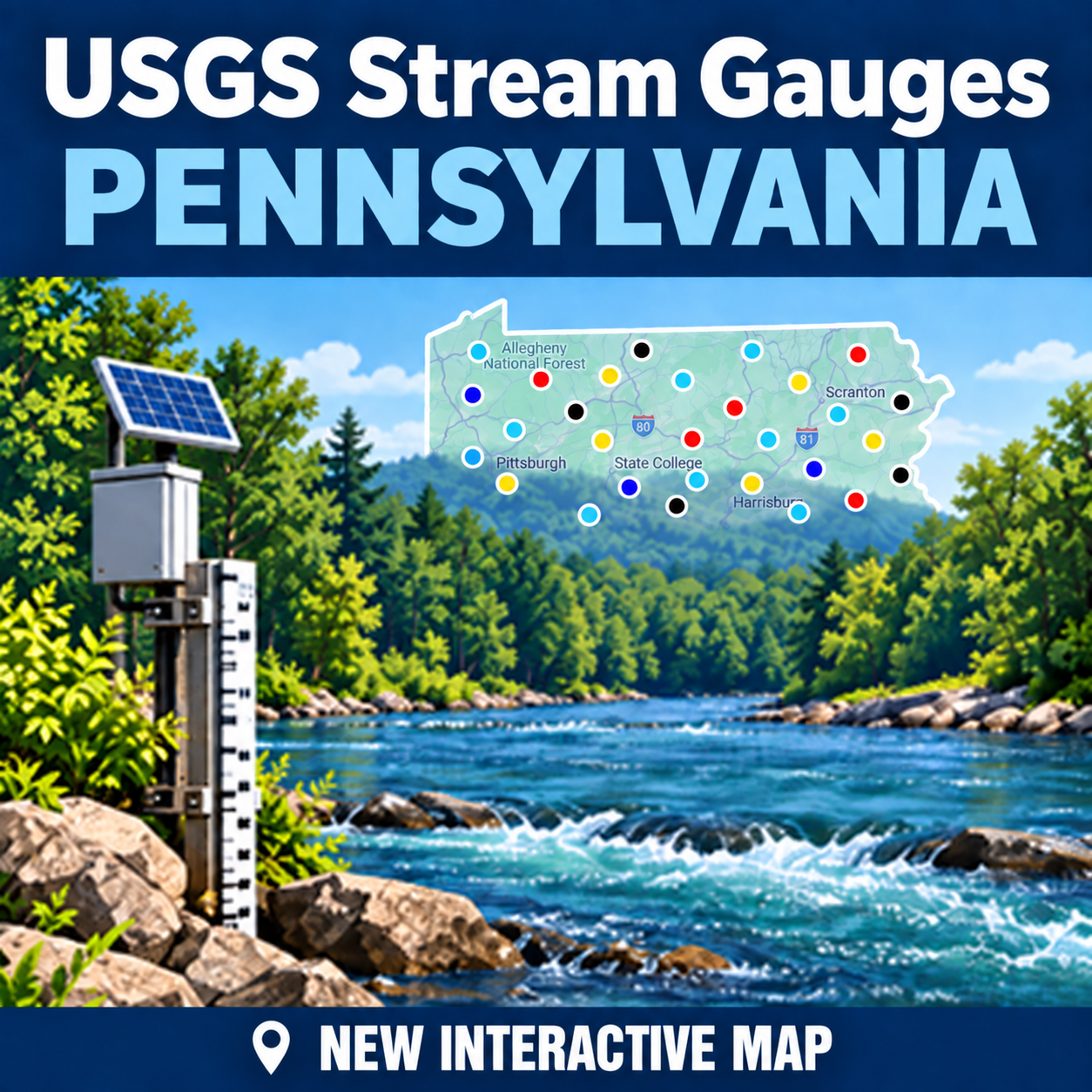
According to two online sources the Tobyhanna is also classified as a publicly-owned stream, same as the Lehigh.
1. ARCGIS map of PA navigable waters: https://www.gis.dcnr.state.pa.us/agsprod/rest/services/BOF/Nav_waters/MapServer
2. PA DCNR list of publicly-owned streambeds (PDF): https://share.google/MzjnWJkPRYUxNeczg
Here are some relevant excerpts from Pennsylvania's guidelines.
Public waters include the great or principal rivers of the Commonwealth. The Pennsylvania Supreme Court in Shrunk v. Schuylkill Navigation Company in 1826 defined the great rivers to be the Ohio, Monongahela, Youghiogheny, Allegheny, Susquehanna, and its north and west branches, Juniata, Schuylkill, Lehigh and Delaware. Public waters also include "legally navigable" rivers, streams and lakes.
Waterways must be regarded as "navigable in law if they are navigable in fact." According to the United States Supreme Court in The Daniel Ball in 1870, waterways are "navigable in fact" when they are used or are susceptible of being used in their ordinary condition as highways for commerce over which trade and travel are or may be conducted in customary modes of trade and travel on water.
No. The test for navigability is not a contemporary test. It's a historic test that goes back to when William Penn was granted charter to Pennsylvania. Pennsylvania courts place particularly emphasis on a waterway's use during the late 18th and early 19th centuries – prior to the invention of modern modes of transportation and at a time when the only significant routes of travel, trade and commerce were on waterways.
It doesn't matter. The test of navigability is rooted in its historical use.
No. Only commercial use is considered by the courts.
The title to the beds of public waters is held in trust by the Commonwealth of Pennsylvania for the benefit of the public. In case of rivers and streams, the Commonwealth's ownership extends to ordinary low water mark, and the adjacent riparian landowner owns above the high water mark. An easement exists in favor of public between high and low water marks. That easement includes the right to fish. In case of lakes, Commonwealth's ownership encompasses the mean pool of lake.
When it comes to navigable waters, Pennsylvania courts have said that the Commonwealth's ownership extends to the ordinary high water mark, and the adjacent riparian landowner owns above the ordinary low water mark. An easement exists in favor of public between the high and low water marks. That easement includes the right to fish.
The courts have defined the low water mark in this context as the height of water at ordinary stages of low water unaffected by drought and unchanged by artificial means. The best advice is to tell the public to stay as close to the water as possible or if they want to be safe to stay in the water. If they don't venture on to upland properties, they'll be OK. The fact that a waterway is deemed navigable does not give the public unfettered access to people's riparian lands nor permission to trespass in order to gain access to a waterway.
The rights of the public in public waters are quite broad and extend to fishing, boating, wading, floating, swimming and otherwise recreating.
According to two online sources the Tobyhanna is also classified as a publicly-owned stream, same as the Lehigh.
1. ARCGIS map of PA navigable waters: https://www.gis.dcnr.state.pa.us/agsprod/rest/services/BOF/Nav_waters/MapServer
2. PA DCNR list of publicly-owned streambeds (PDF): https://share.google/MzjnWJkPRYUxNeczg
Here are some relevant excerpts from Pennsylvania's guidelines.
So which waters are considered to be public?
Public waters include the great or principal rivers of the Commonwealth. The Pennsylvania Supreme Court in Shrunk v. Schuylkill Navigation Company in 1826 defined the great rivers to be the Ohio, Monongahela, Youghiogheny, Allegheny, Susquehanna, and its north and west branches, Juniata, Schuylkill, Lehigh and Delaware. Public waters also include "legally navigable" rivers, streams and lakes.
What makes a river, stream or lake navigable for legal purposes?
Waterways must be regarded as "navigable in law if they are navigable in fact." According to the United States Supreme Court in The Daniel Ball in 1870, waterways are "navigable in fact" when they are used or are susceptible of being used in their ordinary condition as highways for commerce over which trade and travel are or may be conducted in customary modes of trade and travel on water.
Does that mean that a waterway must currently be used for commercial purposes in order to be navigable?
No. The test for navigability is not a contemporary test. It's a historic test that goes back to when William Penn was granted charter to Pennsylvania. Pennsylvania courts place particularly emphasis on a waterway's use during the late 18th and early 19th centuries – prior to the invention of modern modes of transportation and at a time when the only significant routes of travel, trade and commerce were on waterways.
What if a water that was used for commerce during the late 18th and early 19th centuries is no longer used for commercial purposes today?
It doesn't matter. The test of navigability is rooted in its historical use.
Does significant recreational use make a waterway navigable?
No. Only commercial use is considered by the courts.
Who owns public waters?
The title to the beds of public waters is held in trust by the Commonwealth of Pennsylvania for the benefit of the public. In case of rivers and streams, the Commonwealth's ownership extends to ordinary low water mark, and the adjacent riparian landowner owns above the high water mark. An easement exists in favor of public between high and low water marks. That easement includes the right to fish. In case of lakes, Commonwealth's ownership encompasses the mean pool of lake.
How much of a navigable waterway does the Commonwealth own?
When it comes to navigable waters, Pennsylvania courts have said that the Commonwealth's ownership extends to the ordinary high water mark, and the adjacent riparian landowner owns above the ordinary low water mark. An easement exists in favor of public between the high and low water marks. That easement includes the right to fish.
The courts have defined the low water mark in this context as the height of water at ordinary stages of low water unaffected by drought and unchanged by artificial means. The best advice is to tell the public to stay as close to the water as possible or if they want to be safe to stay in the water. If they don't venture on to upland properties, they'll be OK. The fact that a waterway is deemed navigable does not give the public unfettered access to people's riparian lands nor permission to trespass in order to gain access to a waterway.
What rights does the public have in public waters?
The rights of the public in public waters are quite broad and extend to fishing, boating, wading, floating, swimming and otherwise recreating.