I tried to compare that site to my lot size in Hershey and imagine the number of times I would multiply to get to 3 acres and have to admit that you guys are probably in the ballpark. Again though the other sites were larger and if these are all processing sites for future logging I can’t even imagine the scale of the logging about to take place. And the destruction on those sites is total. Do they access impact to wildlife when they bulldoze these areas? Rattlesnake dens for example?

You are using an out of date browser. It may not display this or other websites correctly.
You should upgrade or use an alternative browser.
You should upgrade or use an alternative browser.
Fracking Bald Eagle Forest?
- Thread starter riverwhy
- Start date
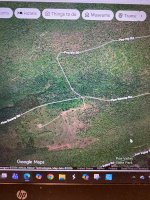
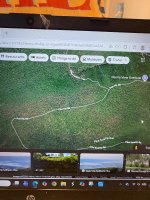
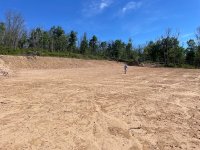
Here is the other photo along with a satellite image of a previous cut south of
pine Swamp Road. I think these photos led credence to:
1. You guys were way more correct than I was estimating the size of the cuts.
2. These are processing areas for much larger clearcutting.
3. The area that was previously cut south of Pine Swamp Road is huge. You can also see substantial erosion on the site. Pine Swamp seemed to be choked with sediment.
4. The clearcutting on the new sites will add substantial acreage to what has already cut.
5. In my opinion too much cutting in these areas despite the blowdowns given as a reason. Seems like industrial scale logging with too little regard for wildlife (I like grouse too!) or the watersheds.
pine Swamp Road. I think these photos led credence to:
1. You guys were way more correct than I was estimating the size of the cuts.
2. These are processing areas for much larger clearcutting.
3. The area that was previously cut south of Pine Swamp Road is huge. You can also see substantial erosion on the site. Pine Swamp seemed to be choked with sediment.
4. The clearcutting on the new sites will add substantial acreage to what has already cut.
5. In my opinion too much cutting in these areas despite the blowdowns given as a reason. Seems like industrial scale logging with too little regard for wildlife (I like grouse too!) or the watersheds.
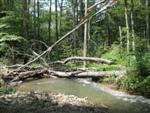
Photos referenced on previous pos.
First One is previous logging south of
pine swamp, second is the area about
To be logged, and third is the picture of me standing in a larger cut. Again I will concede my estimates of size were way off.
First One is previous logging south of
pine swamp, second is the area about
To be logged, and third is the picture of me standing in a larger cut. Again I will concede my estimates of size were way off.
Attachments
lycoflyfisher
Well-known member
- Joined
- Apr 15, 2014
- Messages
- 1,719
Im not a forester, but sometimes onsite chipping is the only way to get some of these areas cut to happen. This is due to the history of clear cutting, loss of soil, poor regrowth, insect mortality over the past 40years etc. There is very little marketable timber in saw logs on most of the ridges in the ridge and valley region. While logging can increase sedimentation that is often the result of poor practices on behalf of the logger more so than the act of conducting the timber harvest.
Some of those ridges that are nothing but mountain laurel and spindly chestnut oaks offer little to no meaningful habitat for wildlife. Some realm of active timber managment is needed in these forests.
Some of those ridges that are nothing but mountain laurel and spindly chestnut oaks offer little to no meaningful habitat for wildlife. Some realm of active timber managment is needed in these forests.

BrookieChaser
Well-known member
- Joined
- Aug 6, 2013
- Messages
- 2,688
On the question about rattlesnake habitat, yes a sale like that would have had a review on species impact.
wildtrout2
Well-known member
I doubt it has anything to do with logging. They wouldn't clear it so meticulously.All my years logging (50) never seen them clear a landing like that.
wildtrout2
Well-known member
I agree about the size of that clearing. Sounds very much in the ballpark.50 acres is huge. You photo in post 1 looks like a couple acres.

Stop rubbing it in! I admitted I grossly overestimated!I agree about the size of that clearing. Sounds very much in the ballpark.
wildtrout2
Well-known member
Certainly not my intention, just in agreement of his estimation.Stop rubbing it in! I admitted I grossly overestimated!
BrookieChaser
Well-known member
- Joined
- Aug 6, 2013
- Messages
- 2,688
Would they bring in topsoil from outside sources to redo the processing sites? I remember reading how they were using sludge on mine reclamation sites. Not sure if they still do that anywhere?
I doubt they'd bring in topsoil. They'll drag back what they took off.
wildtrout2
Well-known member
That makes a lot of sense.I doubt they'd bring in topsoil. They'll drag back what they took off.
FWIW Your signiture is hilarious. 🤣
BrookieChaser
Well-known member
- Joined
- Aug 6, 2013
- Messages
- 2,688
That makes a lot of sense.
FWIW Your signiture is hilarious. 🤣
Hahaha! I forgot that signature was there. I can't see it while using the site from my phone.
A couple more questions since you seem to be the most knowledgeable on the subject:I doubt they'd bring in topsoil. They'll drag back what they took off.
1. Would the prep sites be restored with the same species as the surrounding logged areas? If so what species? Lycoming seemed to think they are already unproductive lands so would they be able to transition to more desirable species? Would they ever make them more into meadow habitat since the land is I assume be more disturbed than the other logged areas.
2. What percentage of woody debris is utilized on each of the two sites, the staging are versus the other logged areas. If most is removed, I don’t see how this type of logging would be very sustainable and lead to more productive forests.
BrookieChaser
Well-known member
- Joined
- Aug 6, 2013
- Messages
- 2,688
1. They will be more of a grass, or meadow, habitat planted with native grasses.
2. The landings had everything stripped, obviously, but they'd chip anything 4" dbh (diameter at breast height) and over across the board, so it's being used.
To answer sustainability - if this is a grouse cut, which I suspect it is, the goal is resetting the timber stand composition. So they're getting rid of the undesirable species and promoting a regeneration stage of forest that grouse (and other species) will prefer. PA's wood ground is past the successional stages (early, mid, late) that grouse need (they need early successional butting up against late successional) that (and to some extent west nile) is why the populations declined. Also once seeded the landings will give young grouse an area to find insects. Hopefully that explains what I'm seeing with the clues.
2. The landings had everything stripped, obviously, but they'd chip anything 4" dbh (diameter at breast height) and over across the board, so it's being used.
To answer sustainability - if this is a grouse cut, which I suspect it is, the goal is resetting the timber stand composition. So they're getting rid of the undesirable species and promoting a regeneration stage of forest that grouse (and other species) will prefer. PA's wood ground is past the successional stages (early, mid, late) that grouse need (they need early successional butting up against late successional) that (and to some extent west nile) is why the populations declined. Also once seeded the landings will give young grouse an area to find insects. Hopefully that explains what I'm seeing with the clues.
Nocktavius
Well-known member
Has anyone considered contacting the state forest about this instead of the borderline autistic levels of reckless speculation we have going on here now?
My assumption was these were just the initial cutting for the processing areas and that larger areas would be cut around these stripped areas but less smaller stuff would be used. I say this because according to the timber sale documents almost 200 acres would be cut. If the acreage of the 5 cut areas was 4 acres each that would only be 20 total acres. Maybe there were more than the 5 areas and I just didn’t see them.1. They will be more of a grass, or meadow, habitat planted with native grasses.
2. The landings had everything stripped, obviously, but they'd chip anything 4" dbh (diameter at breast height) and over across the board, so it's being used.
To answer sustainability - if this is a grouse cut, which I suspect it is, the goal is resetting the timber stand composition. So they're getting rid of the undesirable species and promoting a regeneration stage of forest that grouse (and other species) will prefer. PA's wood ground is past the successional stages (early, mid, late) that grouse need (they need early successional butting up against late successional) that (and to some extent west nile) is why the populations declined. Also once seeded the landings will give young grouse an area to find insects. Hopefully that explains what I'm seeing with the clues.
You will love my last post that I was typing while yours came through.Has anyone considered contacting the state forest about this instead of the borderline autistic levels of reckless speculation we have going on here now?
Sometimes it’s fun to go through the thought process and see how close to the truth you are. I couldn’t get through to them last week. I am not sure they would go through that kind of detail with me anyway. They are on the taxpayers dime. Maybe I will try sending an email.
Plus this is a discussion board and it’s nice to learn what others in the community know.
BrookieChaser
Well-known member
- Joined
- Aug 6, 2013
- Messages
- 2,688
My assumption was these were just the initial cutting for the processing areas and that larger areas would be cut around these stripped areas but less smaller stuff would be used. I say this because according to the timber sale documents almost 200 acres would be cut. If the acreage of the 5 cut areas was 4 acres each that would only be 20 total acres. Maybe there were more than the 5 areas and I just didn’t see them.
Yes, the landings would be just for the chipping. They would cut the wood in the surrounding areas, drag it to the landings, chip it on site and blow it into chip wagons (trailers) which then will truck it to mill.